
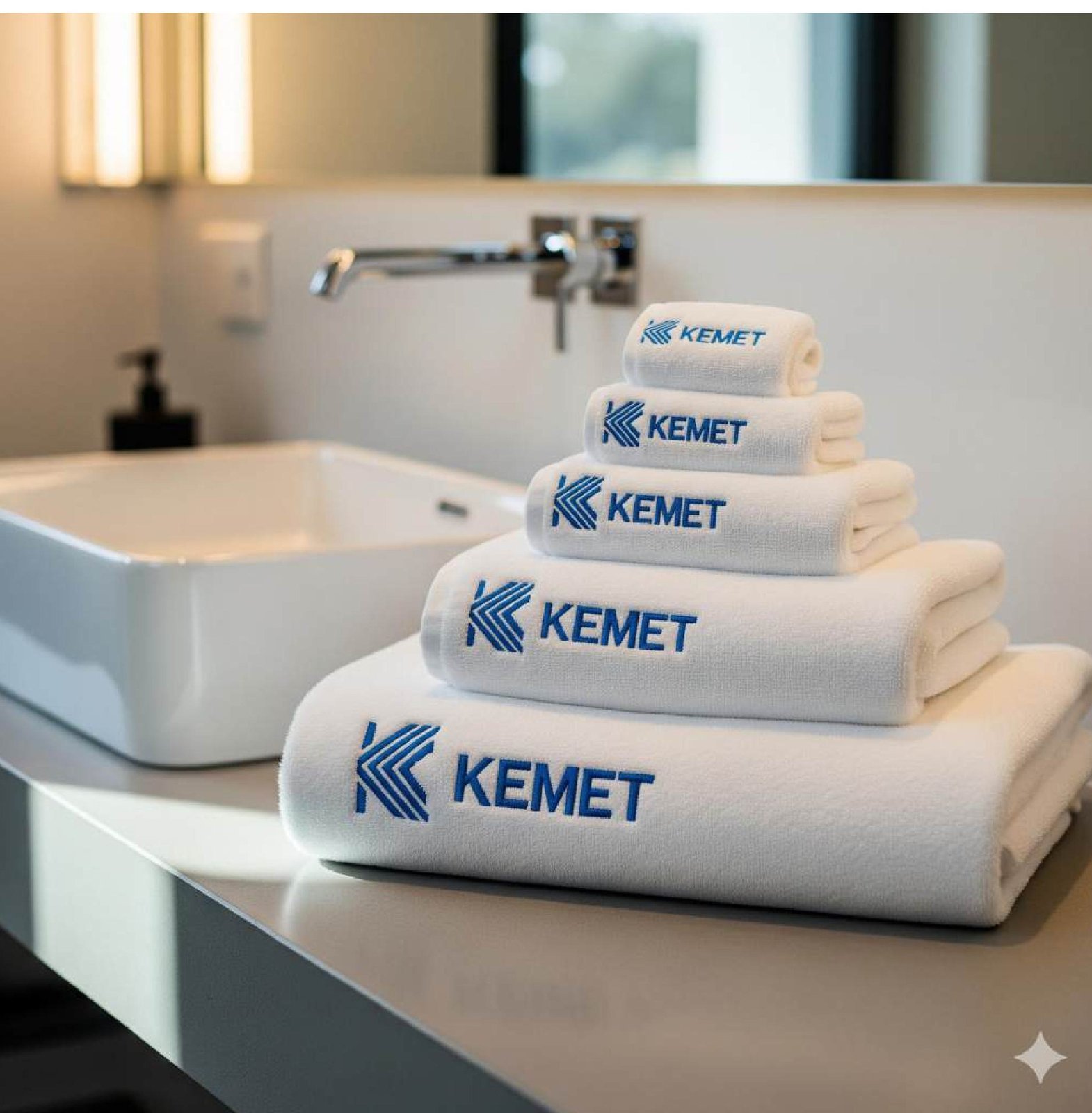
A hotel towel with a unit price about a third lower looks cheaper on a purchase order than a more durable one. It is only cheaper on paper. Once you divide by how many wash cycles each towel actually survives, the comparison usually reverses, and the towel with the higher sticker price becomes the lower-cost option over its working life.
The Calculation Procurement Teams Skip
Cost per wash is a simple formula: unit price divided by documented wash-life. A budget-tested towel with a 150-wash service life sets the baseline at 100% cost per wash. A durable, ISO 9001-certified towel that costs about 48% more upfront but carries a written 300-wash warranty comes to roughly 74% of that baseline, about a quarter less per use, despite the higher upfront price.
Why the Cheaper Towel Costs More Over a Year
A property replacing towels every 150 washes buys twice as often as one replacing them every 300 washes. Reorder frequency is not just a purchasing inconvenience, it means more freight, more receiving and inspection labour, and more disruption to housekeeping stock levels. None of that shows up on the per-unit price, but all of it shows up in the property total cost of ownership.
Ask for the Wash Count, Not Just the Price
The only way to run this calculation honestly is to ask suppliers for a documented wash-life figure, ideally backed by a written warranty, rather than a verbal estimate. A supplier unwilling to commit a wash count to writing is asking you to trust a number they will not put their name to.
Where This Applies Beyond Towels
The same logic applies to bed linen, bathrobes and any textile that goes through a commercial laundry cycle repeatedly. Durability and colour retention under industrial wash conditions, not the unit price alone, determine the real cost of a hotel linen programme.
Related Guide
Comparing towel weights as well as wash-life? Read our hotel towel GSM guide for typical weights by product and what to check alongside GSM.
The Takeaway
Cost per wash is not a sales trick, it is the metric hospitality procurement teams should be using instead of unit price whenever they compare textile suppliers. KEMET quotes cost-per-wash alongside unit price on request, using documented wash-life data rather than estimates.
Cost Per Wash: How to Calculate It
To work out cost per wash, divide the unit price by the number of washes the product is documented to survive, and always compare like for like. Ranges with a written wash-life warranty make the calculation reliable. For background on laundering, see this overview of laundry.
Using Cost Per Wash in a Tender
Ask every supplier for wash-life evidence, test samples through your own laundry cycle and compare cost per wash rather than unit price. Our evaluation sample kits are built for that test, and our procurement questions help structure the comparison.
See the Cost-Per-Wash Numbers for Your Range
Request a quote with cost-per-wash comparisons alongside unit pricing, backed by our written wash-life warranty.