
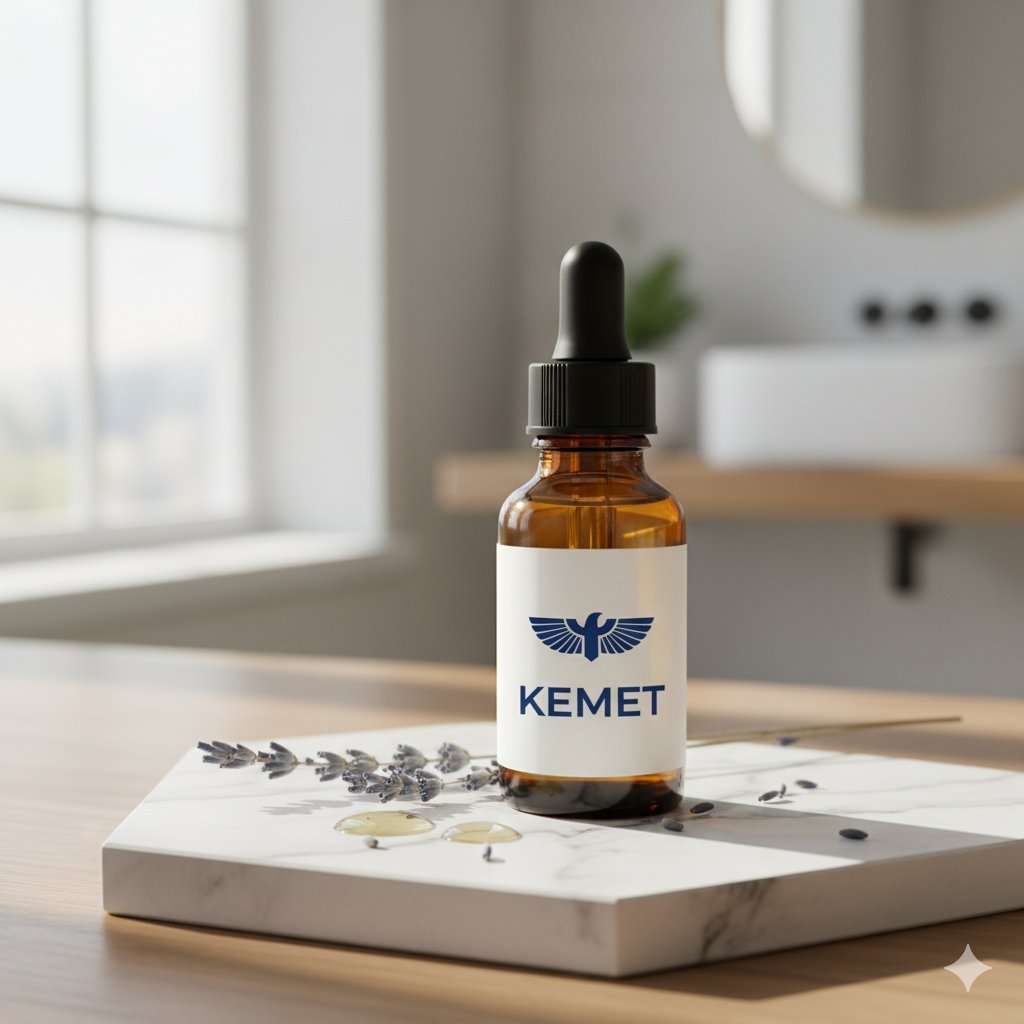
Scent marketing gets treated as an atmosphere upgrade rather than a business decision, something added after the design brief is finished rather than considered alongside it. That framing undersells what a signature scent programme actually does for a hospitality property.
Why Scent Is Different From Other Sensory Branding
Sight and sound are processed through parts of the brain that also handle short-term memory. Smell is processed through the olfactory bulb, which connects directly to the amygdala and hippocampus, the brain regions responsible for emotion and long-term memory formation. That is a physiological reason, not a marketing claim, why a signature scent tends to anchor to memory more strongly than a visual detail like a lobby colour scheme.
Where Scent Marketing Shows Up Operationally
Commercial scent diffusion systems in lobbies, corridors and spa areas create a consistent olfactive identity across a property, the same signature scent a returning guest associates with a specific brand experience. Guest-facing categories, essential oils in spa treatments, room diffusion in premium suites, extend the same identity into more intimate, personal moments of the guest journey.
What This Requires to Work
A scent programme is only as good as its consistency and its safety documentation. Essential oil blends used in a commercial hospitality setting should carry IFRA compliance, the fragrance industry safety standard, particularly where blends are diffused in occupied guest areas rather than used in a single treatment context. Consistency across a multi-property group also depends on standardised equipment and reliable, documented oil formulations, not an ad hoc mix of diffusers and scents from different suppliers.
Where to Start
A property does not need to commit to a full multi-property scent programme immediately. Piloting a signature scent in the lobby and public spaces of a single property, with IFRA-compliant oils and commercial-grade diffusion equipment, is a reasonable first step before extending the identity into spa treatments and guest rooms.
The Takeaway
Scent marketing is a documented, physiological lever for guest memory and brand identity, not a finishing touch. KEMET supplies commercial scent diffusion systems and IFRA-compliant essential oil blends as part of a documented, UK-anchored wellness and scent solution.
Scent Marketing ROI: What to Measure
Scent marketing ROI is easiest to judge when you define the outcome first, for example guest comments, dwell time in public areas or spa retail interest, and compare before and after. See this overview of sensory branding for background.
Starting With Scent Marketing ROI in Mind
Pilot one area, choose a signature blend from our essential oils and a matching commercial scent diffuser, then review the results before rolling out. Contact us through the contact page to plan a pilot.
Explore Our Scent Diffusion Solutions
Talk to our team about a signature scent pilot for your lobby or spa, with IFRA-compliant oils and commercial-grade diffusion equipment.