
Bathrobe vs Dressing Gown: What Is the Difference?
Bathrobe vs dressing gown: the words overlap, but the fabrics and the use are different. Here is how to tell them apart and which to choose.
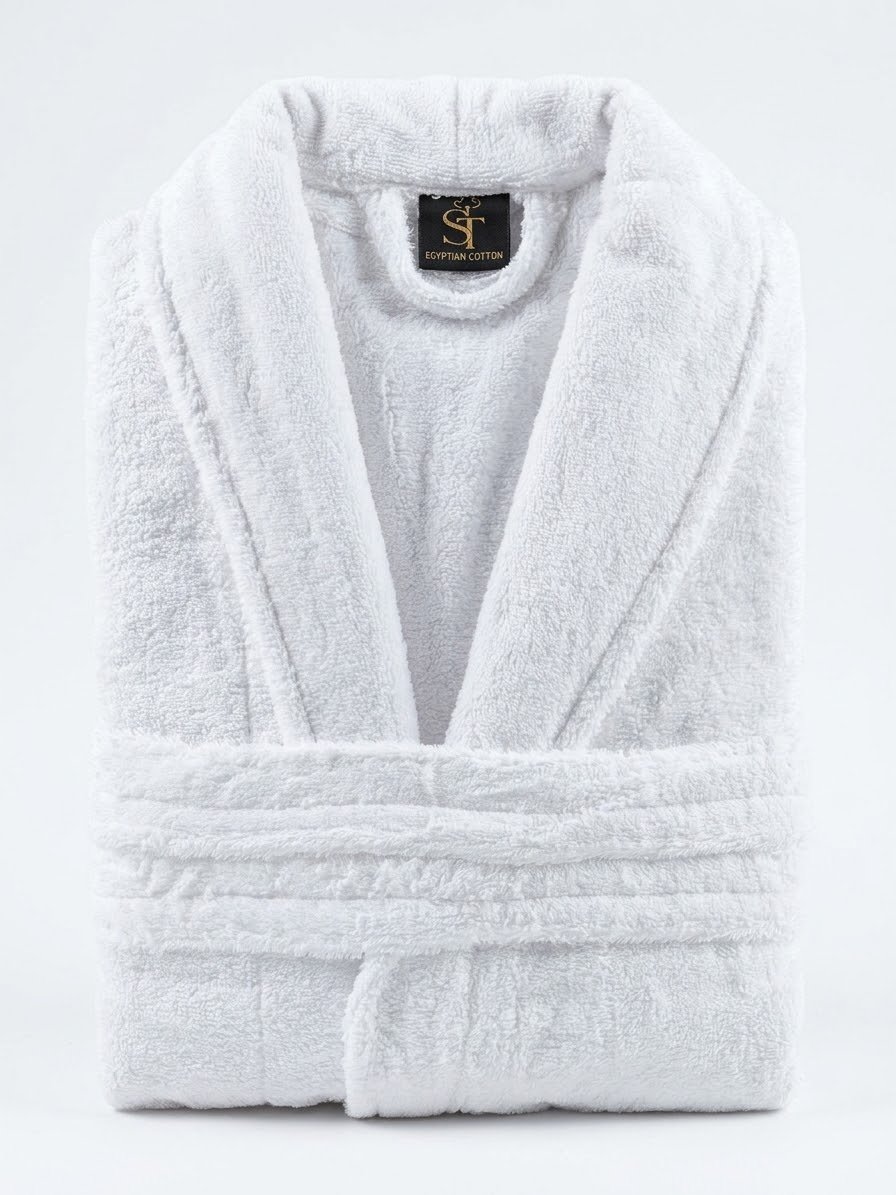
Bathrobe vs dressing gown in one minute
In the bathrobe vs dressing gown question, fabric is the clearest difference. A bathrobe is made from absorbent cotton towelling or waffle weave and is worn to dry off, while a dressing gown is a lighter layer for warmth and comfort. If you want the history of the garment, the overview of the bathrobe is a helpful read.
The short answer
A bathrobe is made from absorbent towelling to wear after a shower or bath. A dressing gown is a lighter layer for the bedroom and morning, often in fleece, cotton or silky fabric. In the UK people use the terms loosely, so check the fabric.
Bathrobe
Terry or waffle cotton absorbs water from your skin, so it dries you as you wear it. It suits bathrooms, home spas, gyms and hotels.
Dressing gown
A dressing gown is designed for warmth and comfort, not drying. Fleece and lightweight fabrics are common.
Bathrobe vs dressing gown: how to choose
- Wear it after the shower: choose a cotton towelling bathrobe.
- Wear it for lounging in winter: a dressing gown or a heavier robe.
- Not sure of size: see how to choose a bathrobe.
Browse our bathrobes, 100% combed cotton in sizes S to XXL.
Frequently asked questions
Are a bathrobe and a dressing gown the same?
They overlap, but a bathrobe is absorbent towelling for after the shower, while a dressing gown is a lighter layer for warmth.
Which is better after a shower?
A cotton towelling bathrobe, because it absorbs water.
What size bathrobe should I buy?
Choose by chest size and length and allow room to wrap comfortably. Check the size guide on the product page.
Can I wear a bathrobe as a dressing gown?
Yes, many people do, especially in cotton towelling at home.
More guides
Related reading: How to Create a Spa at Home · Self-Care Gift Ideas: Thoughtful Home Spa Gifts
From the shop: Bathrobe